20 min
Townsville to Magnetic Island Round-Trip Ferry
- Entry ticket
- Mobile voucher
- Valid same day
- Free cancellation
Magnetic Island Tour — Wildlife, Forts & Coastal Walks
Twenty-three kilometres from Townsville, a granite island where koalas outnumber residents
Compare fares, pick the fit — all bookings are mobile-voucher and eligible for free cancellation where shown.
20 min
5 hr
5 hr
| Experience | Duration | Rating | Pickup | Guide | Small group | Free cancel. | Price | |
|---|---|---|---|---|---|---|---|---|
|
Standard Entry
Most popular
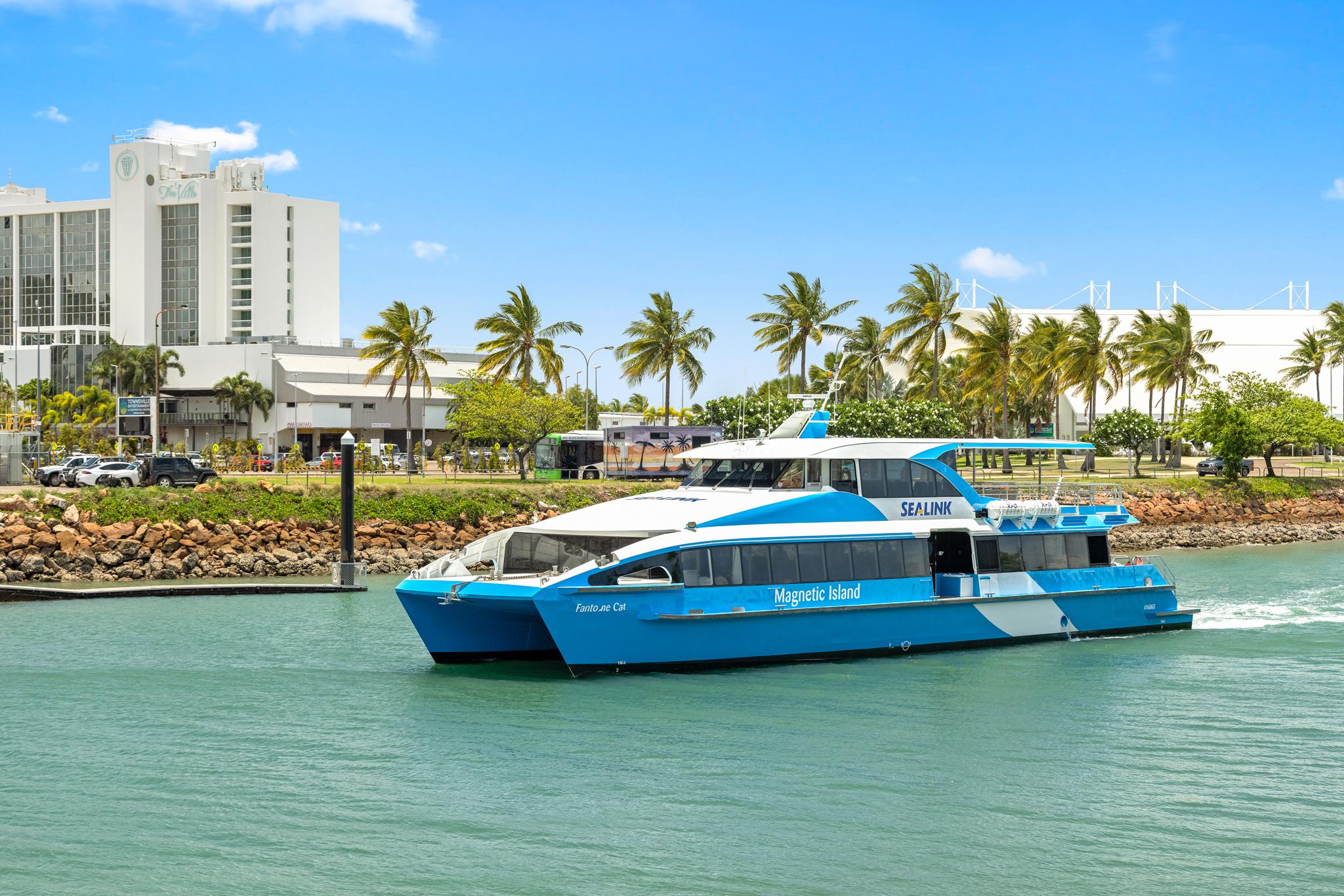
Townsville to Magnetic Island Round-Trip Ferry
|
20 min | ★ 4.8 | — | — | — | ✓ | €28 | Book → |
|
Standard Entry
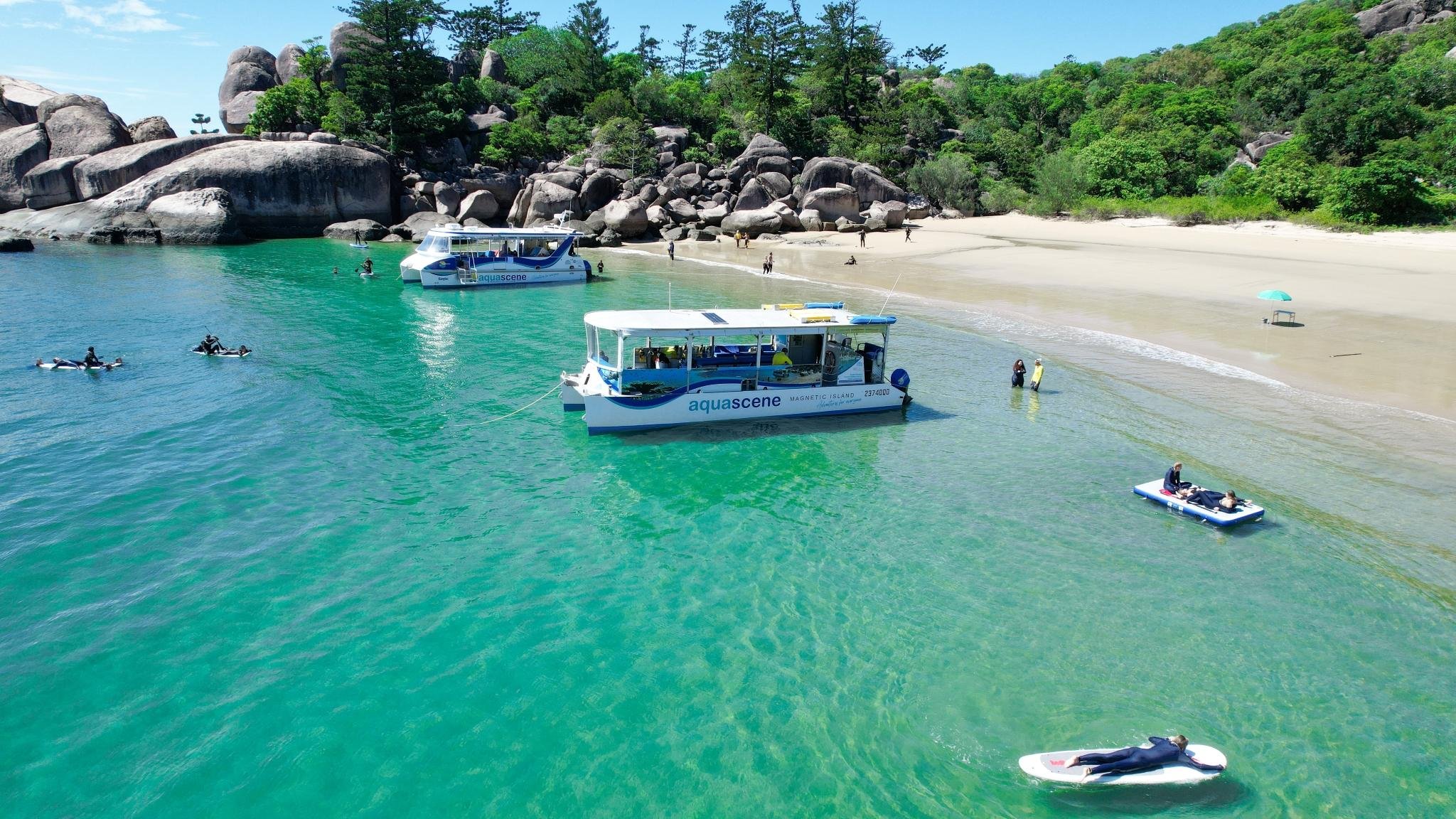
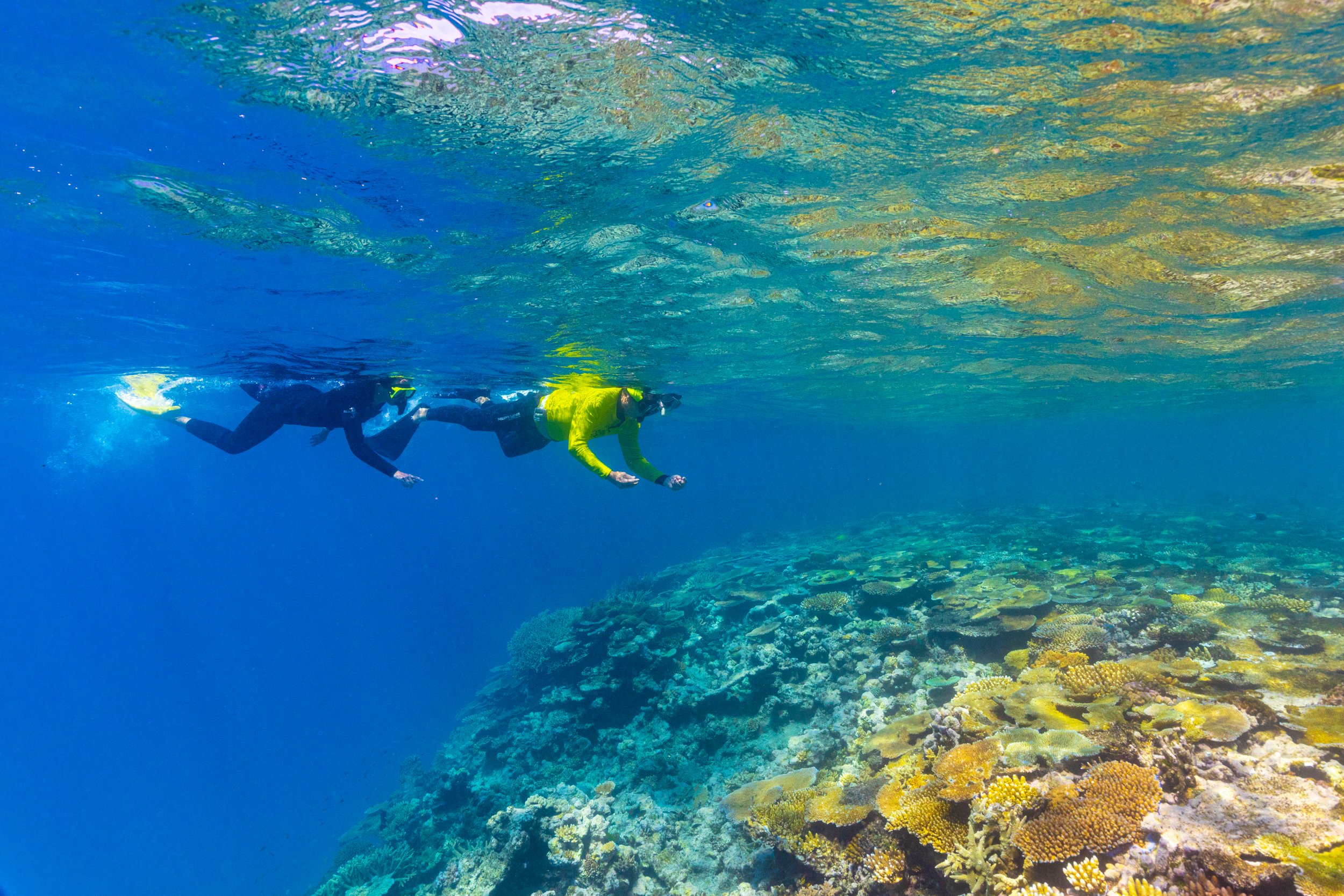
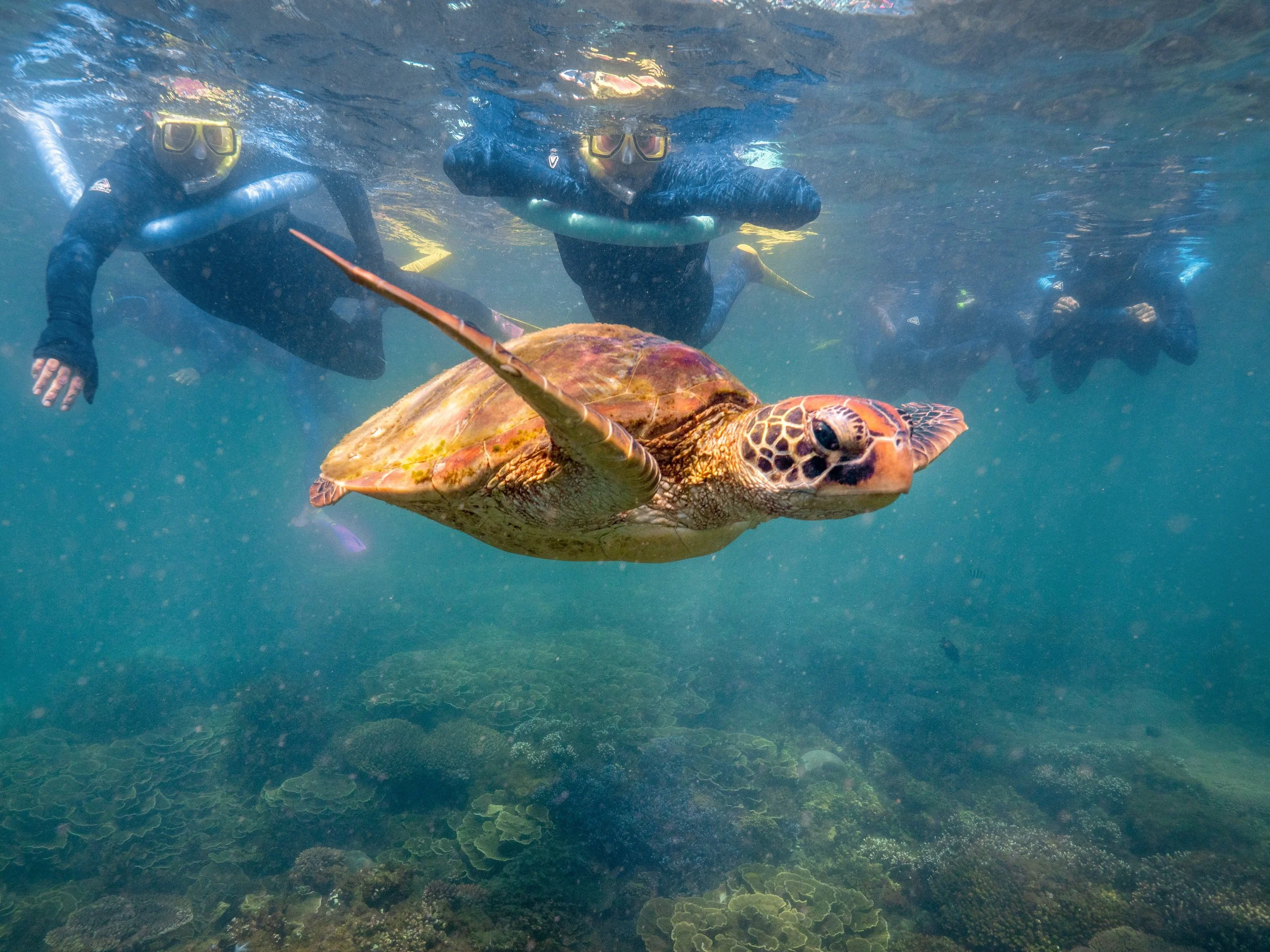
Magnetic Island Snorkeling Adventure with Local Guide
|
5 hr | ★ 4.9 | — | ✓ | ✓ | ✓ | $116 | Book → |
|
Standard Entry
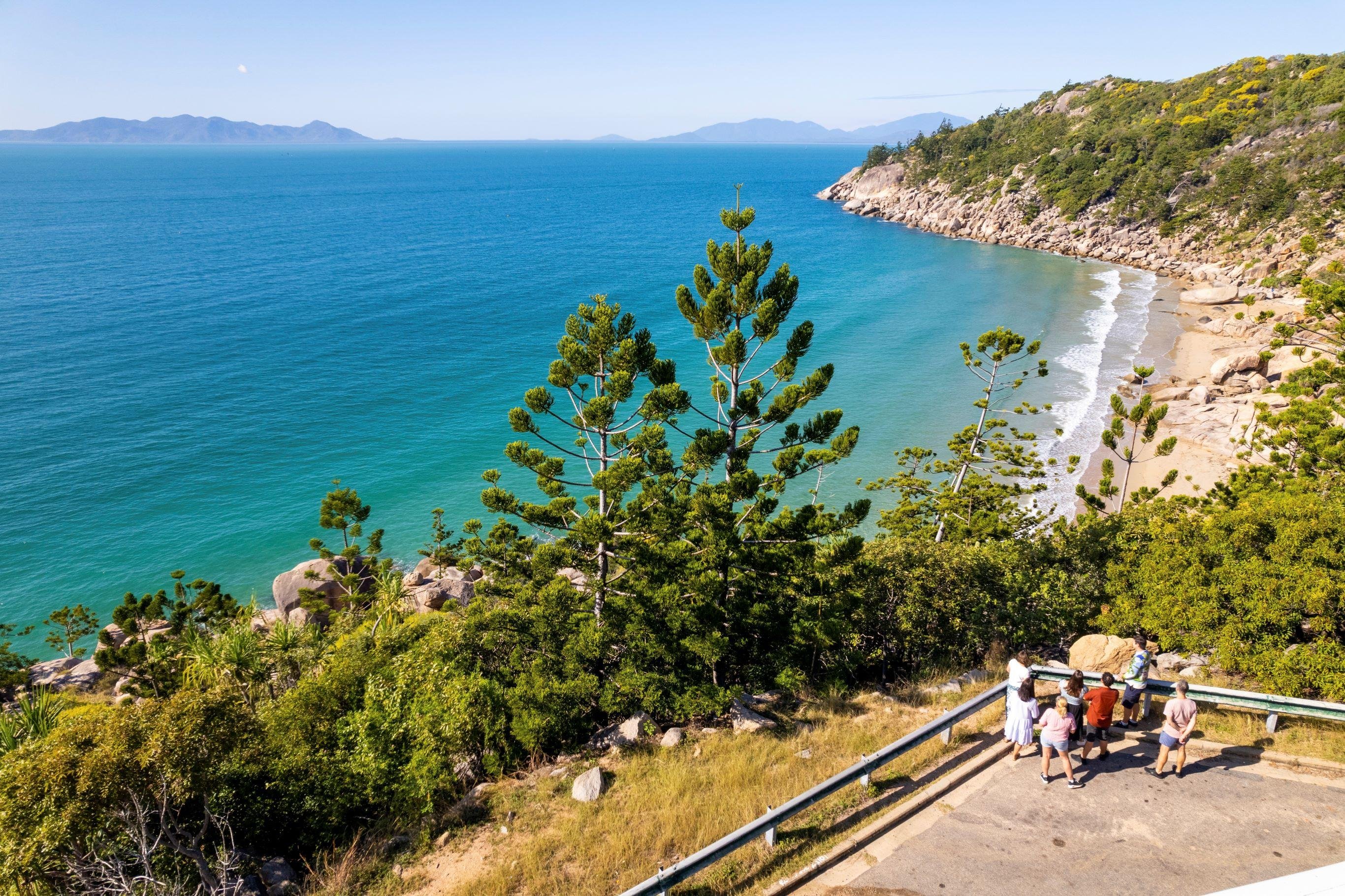
Magnetic Island Wildlife & Coastal Discovery Tour
|
5 hr | ★ 4.8 | ✓ | ✓ | ✓ | ✓ | €59 | Book → |
A guided magnetic island tour wins on koala sanctuary access and 4WD-only forts, while self-guided ferry-and-bus touring wins on cost and freedom to linger. Most visitors doing a magnetic island tour tour for wildlife should book a package; budget travelers do fine self-touring.
|
Top pick Guided Tour Package |
Self-Guided Ferry & Bus | |
|---|---|---|
| What's included | Ferry, 4WD transport, guide, wildlife stops | Ferry ticket only, bus separate |
| How you get around | Open-air 4WD safari vehicle | Public bus (Sunbus) or rented moke |
| Flexibility | Fixed itinerary and timings | Full control over stops and pace |
| Access to wildlife/4WD-only spots | ✓ Forts Walk, koala habitat, remote bays | — Limited to bus-route beaches |
| Typical duration | 4-5 hours | Full day, self-paced |
| Best for | Wildlife spotting, time-poor visitors | Independent travelers, tighter budgets |
| See tickets & prices |
Verdict: Book a guided magnetic island tour for koalas and forts you can't reach otherwise; choose self-guided ferry and bus touring if you'd rather set your own pace and spend less.
Hand-picked experiences loved by thousands of travelers
5 hours
Free Cancellation
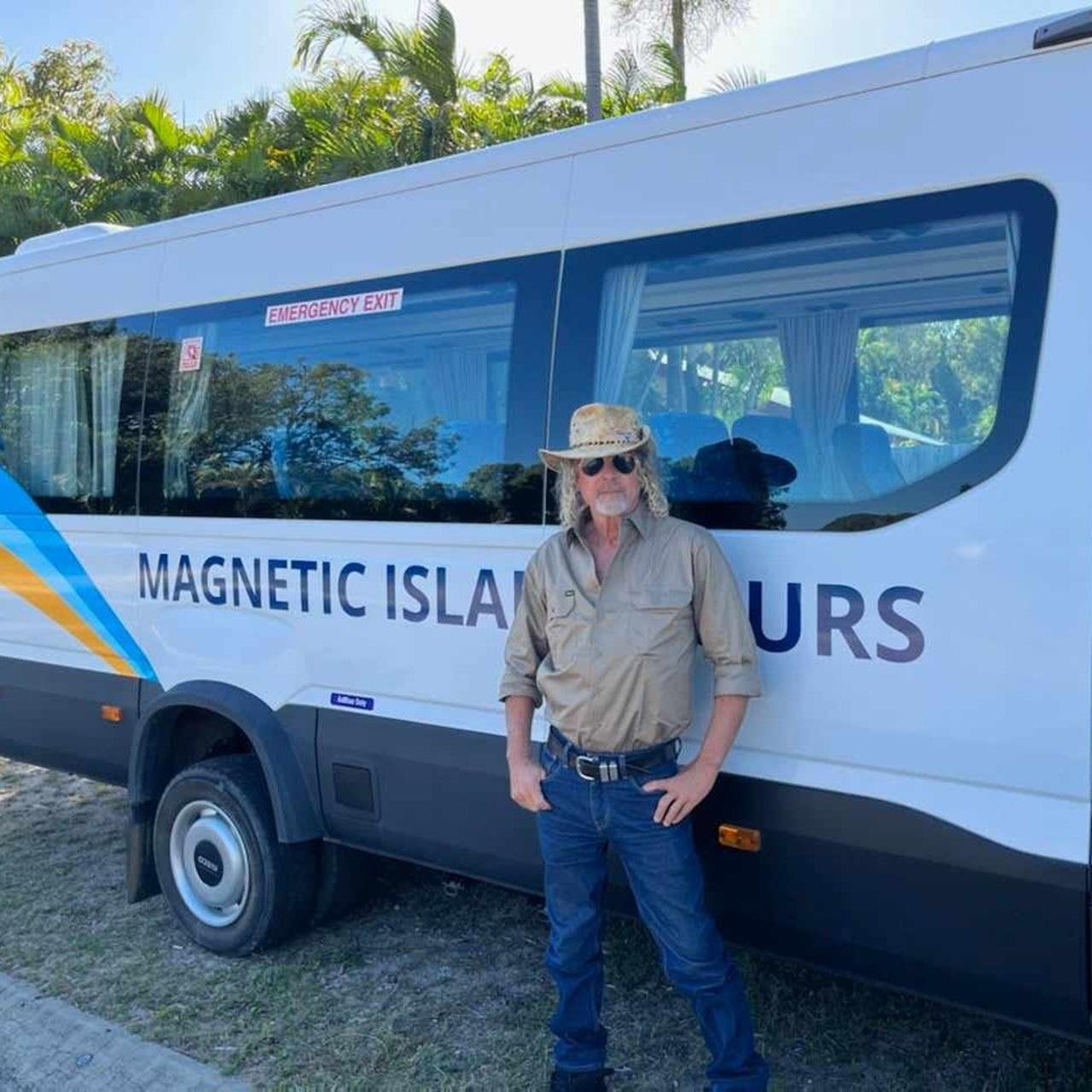
Go beyond the beaches with a local celebrity guide who reveals secret spots and wildlife encounters
2 hours 30 minutes
Free Cancellation
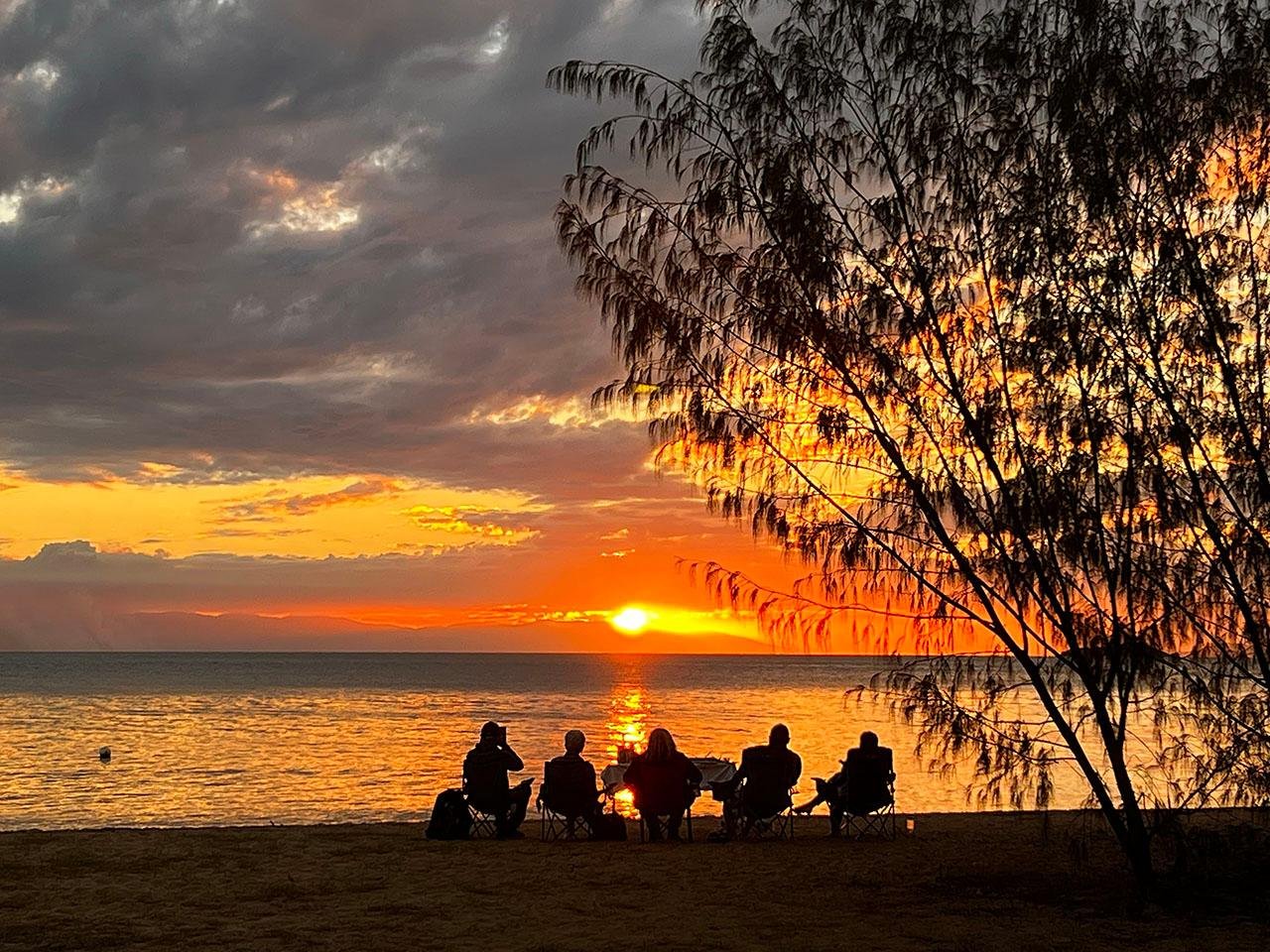
Experience Magnetic Island's secluded west coast with sunset views, drinks, and grazing platters
4 hours
Free Cancellation
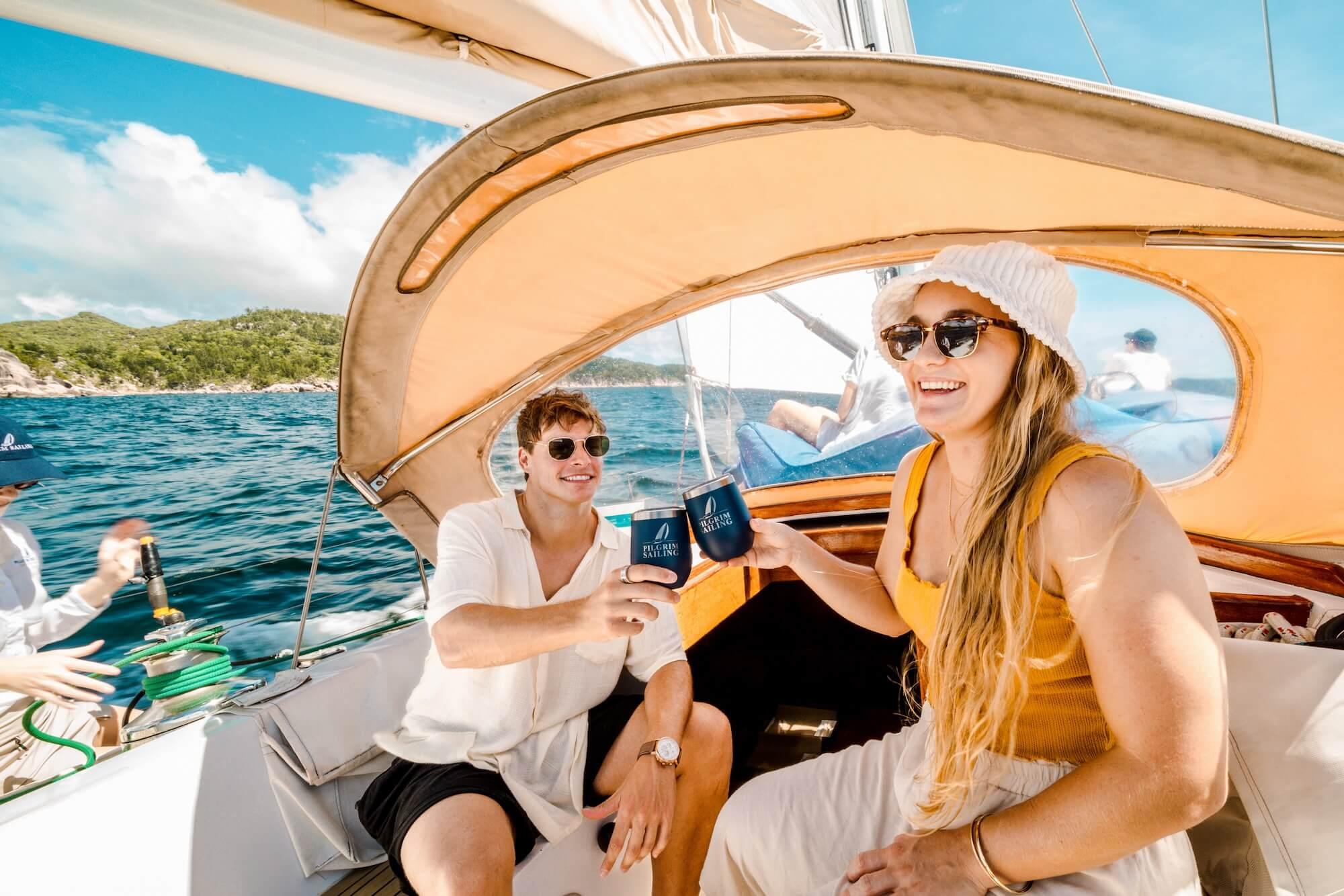
Glide along pristine coastline aboard a luxury yacht with gourmet lunch, local wines, and wildlife encounters
2 hours
Free Cancellation
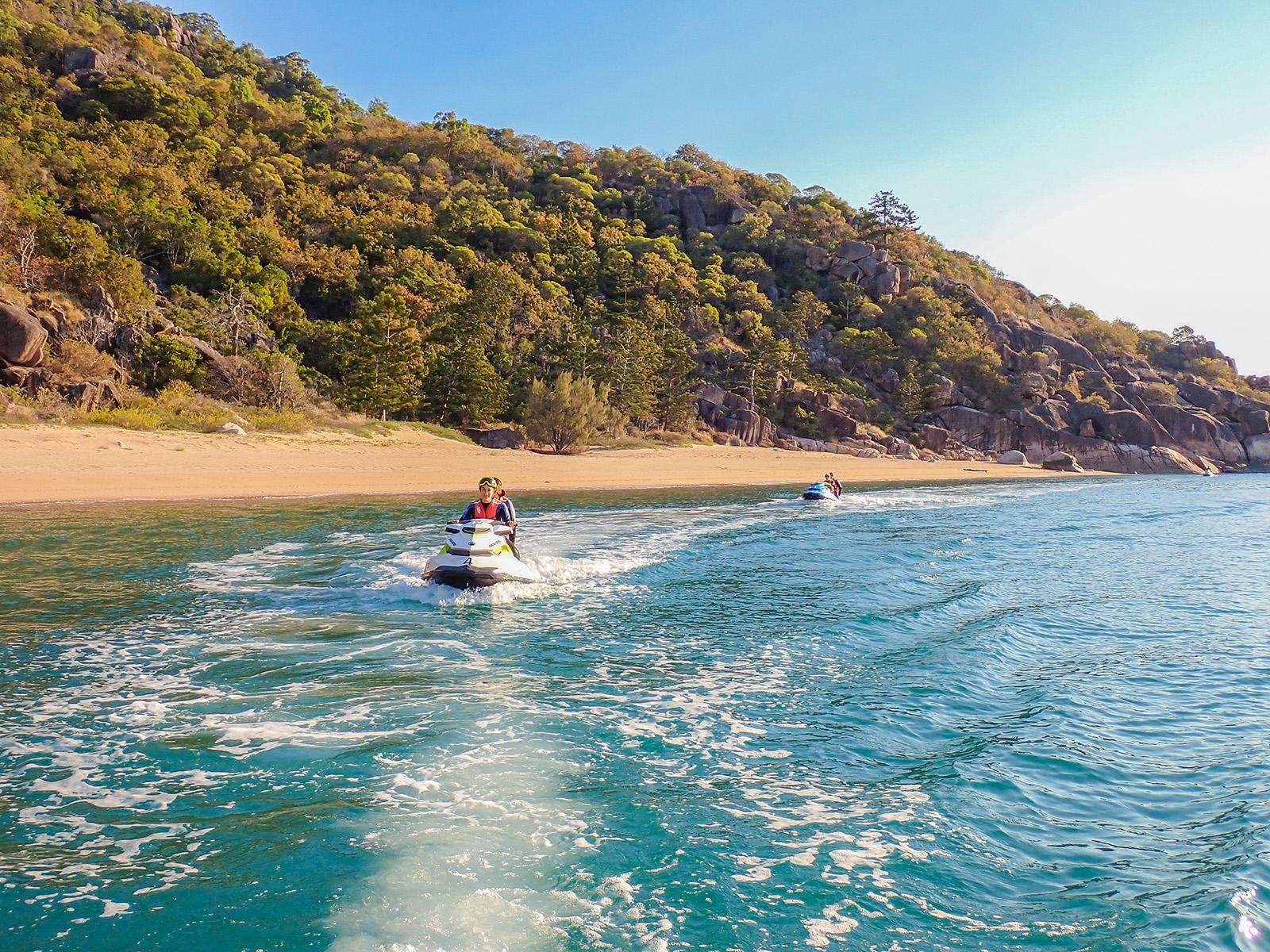
Pilot your own jet ski through eight secluded bays with expert guides sharing marine insights
1 hour 30 minutes
Free Cancellation
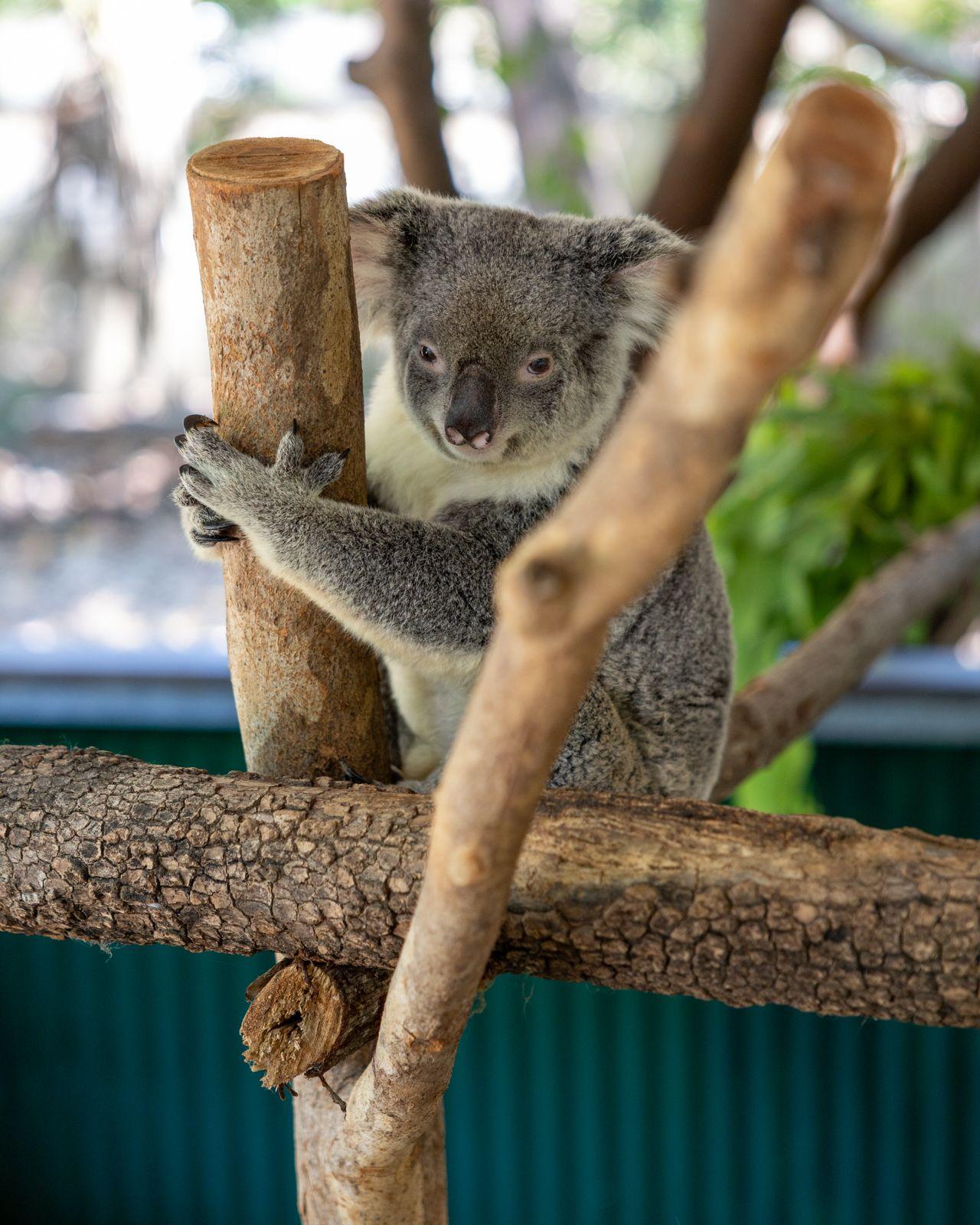
Get up close with Australian wildlife including koalas, wombats, and reptiles on this ranger-led experience
3 hours 30 minutes
Free Cancellation
Journey through Magnetic Island's untamed western shores on an all-terrain expedition revealing hidden wildlife and pristine landscapes.
10 hours
Free Cancellation
Full-day reef expedition featuring the Southern Hemisphere's first submerged art museum and vibrant coral gardens
5 hours
Free Cancellation
Customizable 5-hour private expedition through Magnetic Island's wildlife havens and historic sites
This 4km return trail offers the best chance to spot wild koalas in eucalyptus trees and view WWII coastal defence ruins.
Explore the historic gun emplacements that provide 360-degree views of the coastline and surrounding ocean.
A secluded beach known for excellent snorkelling opportunities and clear, calm waters perfect for marine exploration.
This area features accessible rock pools and is a prime spot to observe allied rock wallabies among the boulders.
The largest beach on the island, offering a variety of water sports, dining options, and a lagoon for safe swimming.
All the details about your upcoming adventure in one place
A magnetic island tour reveals the natural beauty of this tropical paradise 8 km offshore from Townsville. Guided island tours showcase pristine beaches, coastal walking trails, and native wildlife including koalas and rock wallabies. Whether you choose magnetic island tour tickets for a full-day adventure or a shorter exploration, the island's 23 bays and secluded coves offer diverse experiences across 5,184 hectares of national park terrain.
Seventy percent of Magnetic Island's 5,184 hectares remains protected national park, a proportion higher than nearly any inhabited island in the Great Barrier Reef Marine Park.
Named by Captain James Cook in 1770 after his ship's compass behaved erratically offshore—a phenomenon later attributed to the island's granite monzonite formations rather than magnetic interference—the landmass has served as Wulgurukaba Country for at least 8,000 years, a Royal Australian Navy training base during the Second World War, and since the 1970s, a residential community of around 2,000 permanent inhabitants who share their bays with an estimated 800 wild koalas.
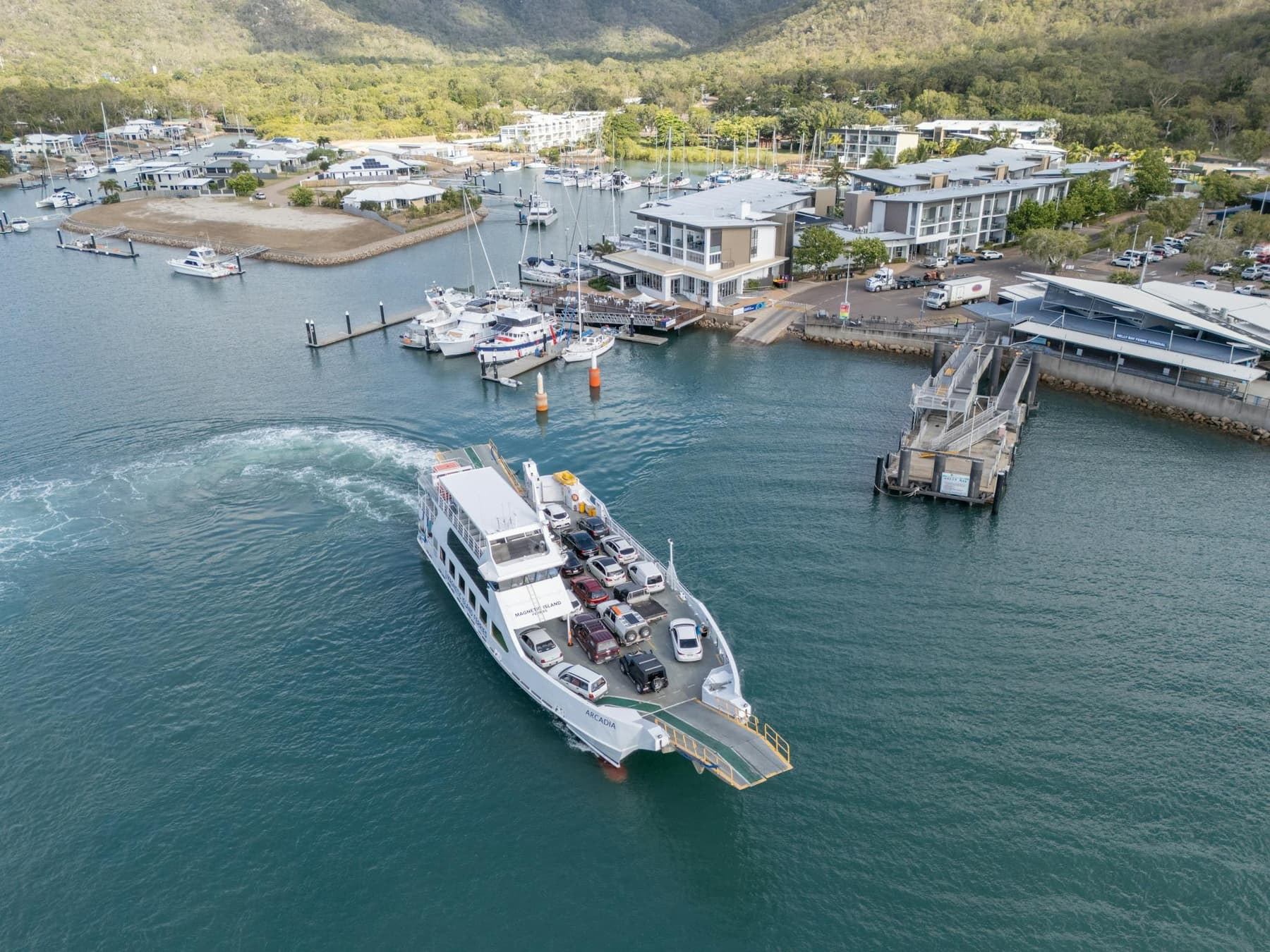
Magnetic Island tourism began in earnest after the 1960s construction of the vehicular ferry terminal at Nelly Bay, transforming what had been a secluded military outpost into one of tropical North Queensland's most visited day-trip destinations. Unlike resort islands further offshore, Magnetic Island retained its bushland character: the national park encompasses the entire northern and western coastline, bracketing twenty-four kilometres of walking tracks that wind through hoop pine forests, granite boulder fields, and coastal heathland. The Forts Walk, a 2.4-kilometre graded trail ascending to wartime observation posts at 240 metres elevation, offers the island's most reliable koala sightings—visitors typically spot three to seven animals during the early-morning ascent through open eucalypt woodland. The fortifications themselves, constructed between 1942 and 1943 to guard Cleveland Bay's shipping channels, remain substantially intact: concrete command posts, ammunition stores, and a network of observation slits overlooking the Coral Sea.
Beyond the forts, Magnetic Island's appeal rests on its accessibility for self-guided exploration. Horseshoe Bay, the island's northernmost settlement, anchors a three-kilometre crescent of sand frequented by green sea turtles during the austral summer. Arcadia Bay, midway along the eastern shore, provides the calmest swimming conditions and the trailhead for the Arcadia to Arthur Bay coastal track, a 1.6-kilometre walk crossing granite headlands where rock wallabies emerge at dusk. Geoffrey Bay, adjacent to Arcadia, contains the island's only fringing coral reef accessible from shore—a snorkelling site where staghorn and brain coral colonies survive in water rarely exceeding four metres depth. The island's road network, totalling nineteen kilometres of sealed surface, connects all major bays and remains the domain of rental scooters, open-top jeeps, and the island's single public bus route.
Magnetic Island tour options from Townsville reflect this geography: half-day packages combine the ferry crossing with guided fort walks and wildlife spotting, while full-day itineraries add beach stops and reef snorkelling. The twenty-five-minute ferry passage from Townsville's Breakwater Terminal operates seventeen times daily, with the first departure at 05:30 accommodating visitors intent on reaching the Forts Walk by first light. Entry to the island and all national park areas remains free—the only compulsory cost is the return ferry fare, currently 38 AUD for adults. This pricing structure has preserved Magnetic Island's character as a place where natural access trumps commercial exclusivity, where the primary currency is departure time rather than admission tier.

Seventy percent of Magnetic Island's 5,184 hectares remains protected national park, a proportion higher than nearly any inhabited island in the Great Barrier Reef Marine Park.
Operators typically require 24-48 hours notice for full refunds on a magnetic island tour. Entrance to the island and national park areas is 0 AUD.
Magnetic Island has been Wulgurukaba country for at least 8,000 years, with the Yunbenun clan occupying the northern bays and middens still visible at sites like Nelly Bay and Arcadia. The island's Aboriginal name, Yunbenun, reflects its spiritual significance as a place of ceremony and seasonal gathering. European contact arrived on June 6, 1770, when Captain James Cook sailed past and noted his compass behaving erratically, attributing the deviation to magnetic ore in the granite hills—a theory later disproven, though the name endured. Cook did not land, and the Wulgurukaba continued seasonal visits until pastoral leases began fragmenting access in the 1860s. The island's transformation into a tourist destination began modestly in 1899 when Robert Hayles established a guesthouse at Picnic Bay, ferrying visitors from Townsville on his converted lugger. By the 1930s, paddle steamers ran regular magnetic island tour services, and the island marketed itself as a convalescent retreat with hot saltwater baths. The Second World War brought abrupt militarisation in 1942 when the Australian Army constructed a network of observation posts, command bunkers, and gun emplacements across the Forts Complex above Horseshoe Bay. Over 1,500 personnel were stationed to defend Townsville's port, though no shots were fired in anger. The concrete structures, connected by steep walking trails, now anchor many magnetic island tour tickets sold today as heritage walks. Post-war development accelerated with vehicle ferry services launching in 1964, replacing the aging steamers. The National Parks and Wildlife Service assumed control of two-thirds of the island in 1987, designating it a haven for koala populations isolated from mainland diseases. Today's guided magnetic island tour tours blend Wulgurukaba cultural interpretation with WWII fort exploration, while self-guided visitors navigate the same fortification trails that soldiers cut through eucalypt forest eighty-four years ago. The koala colonies, descendants of animals introduced in the 1930s, remain the island's most promoted wildlife drawcard despite their non-native status.
Wulgurukaba people establish seasonal camps across Yunbenun (Magnetic Island), leaving shell middens at coastal sites
Captain Cook names the island after erroneous compass readings on June 6, sailing past without landing
Robert Hayles opens the first guesthouse at Picnic Bay, launching paddle-steamer tourist services from Townsville
Australian Army constructs Forts Complex with observation posts and gun emplacements above Horseshoe Bay to defend against potential Japanese attack
Vehicle ferry service begins, replacing paddle steamers and enabling mass tourism development
Two-thirds of the island gazetted as National Park, protecting granite boulder habitat and koala populations
Heritage fort walks and Aboriginal cultural tours form the backbone of commercial magnetic island tour operations
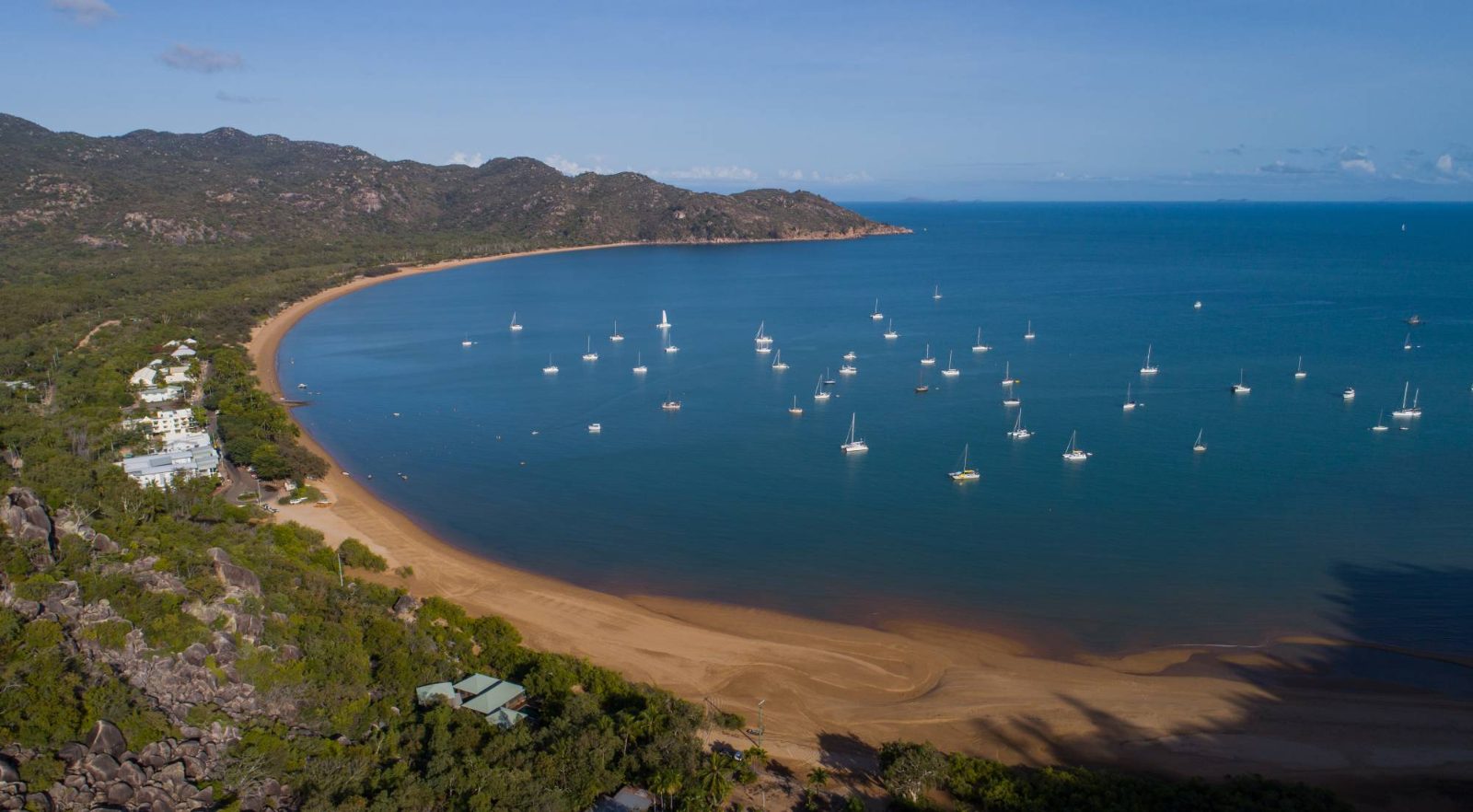
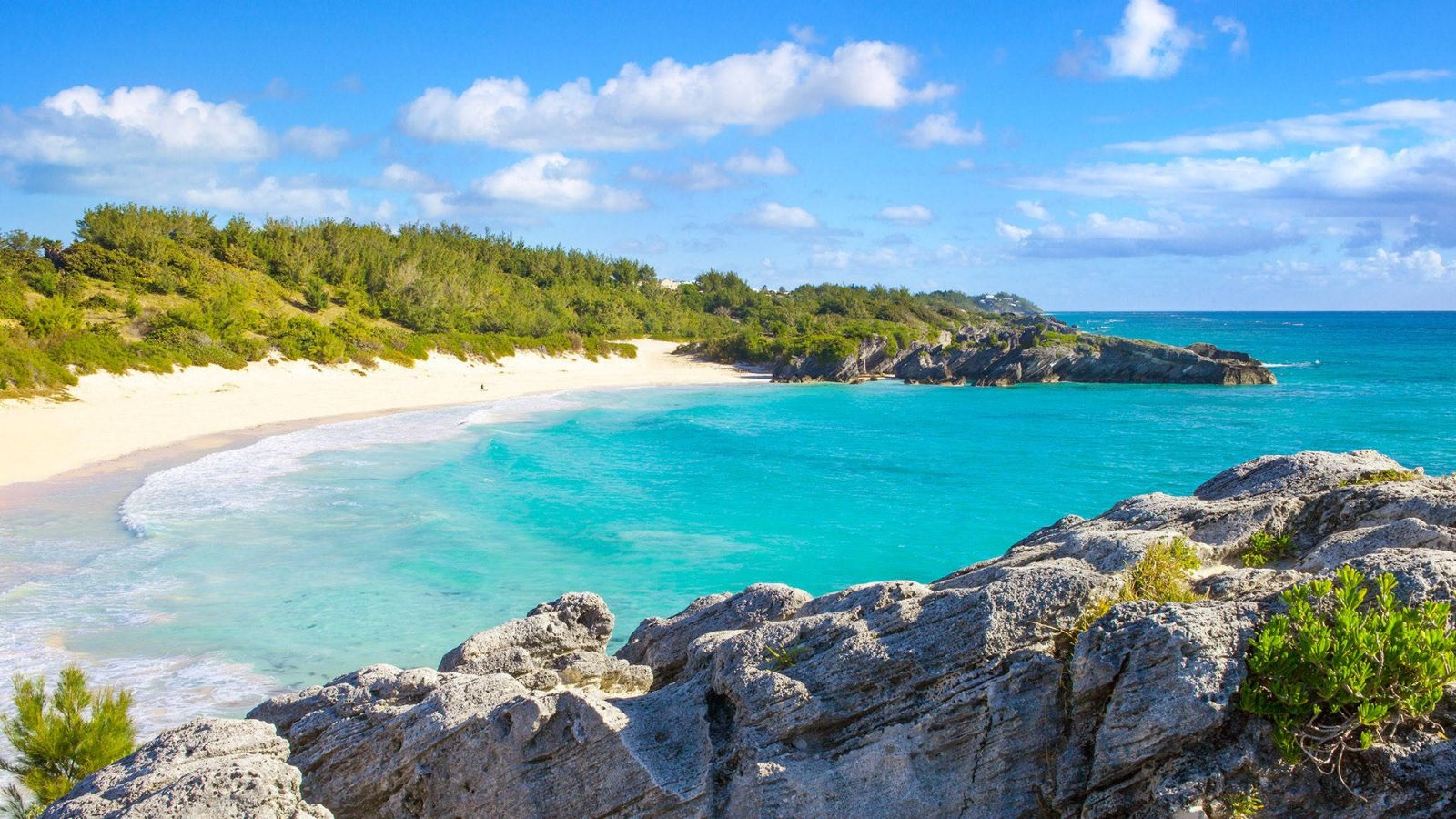
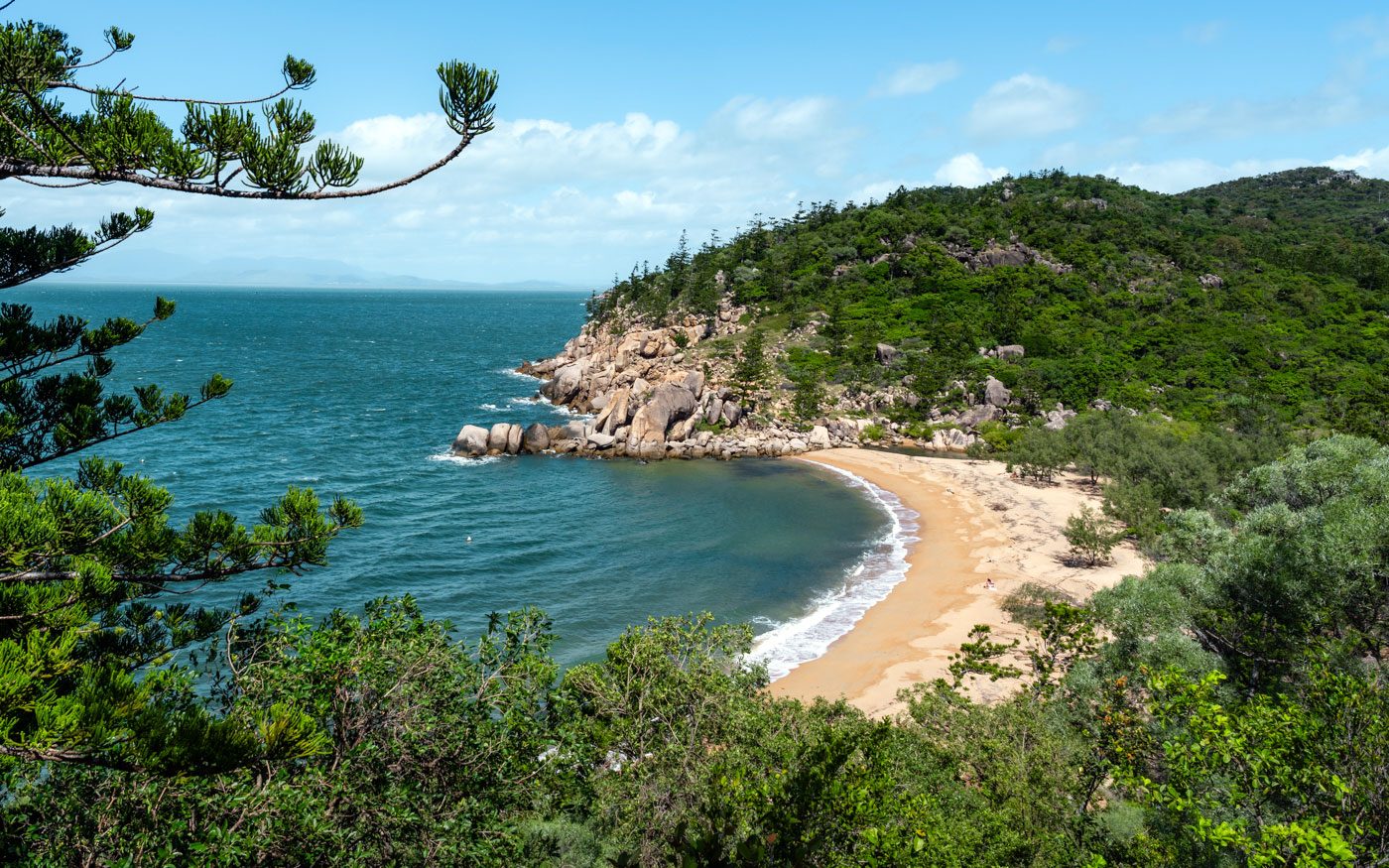
Sunrise light spreads across the curved beach and headlands, best captured from the small rise above the eastern car park where palms frame the bay. This wide shot is a staple of any magnetic island tour itinerary along the north coast road.
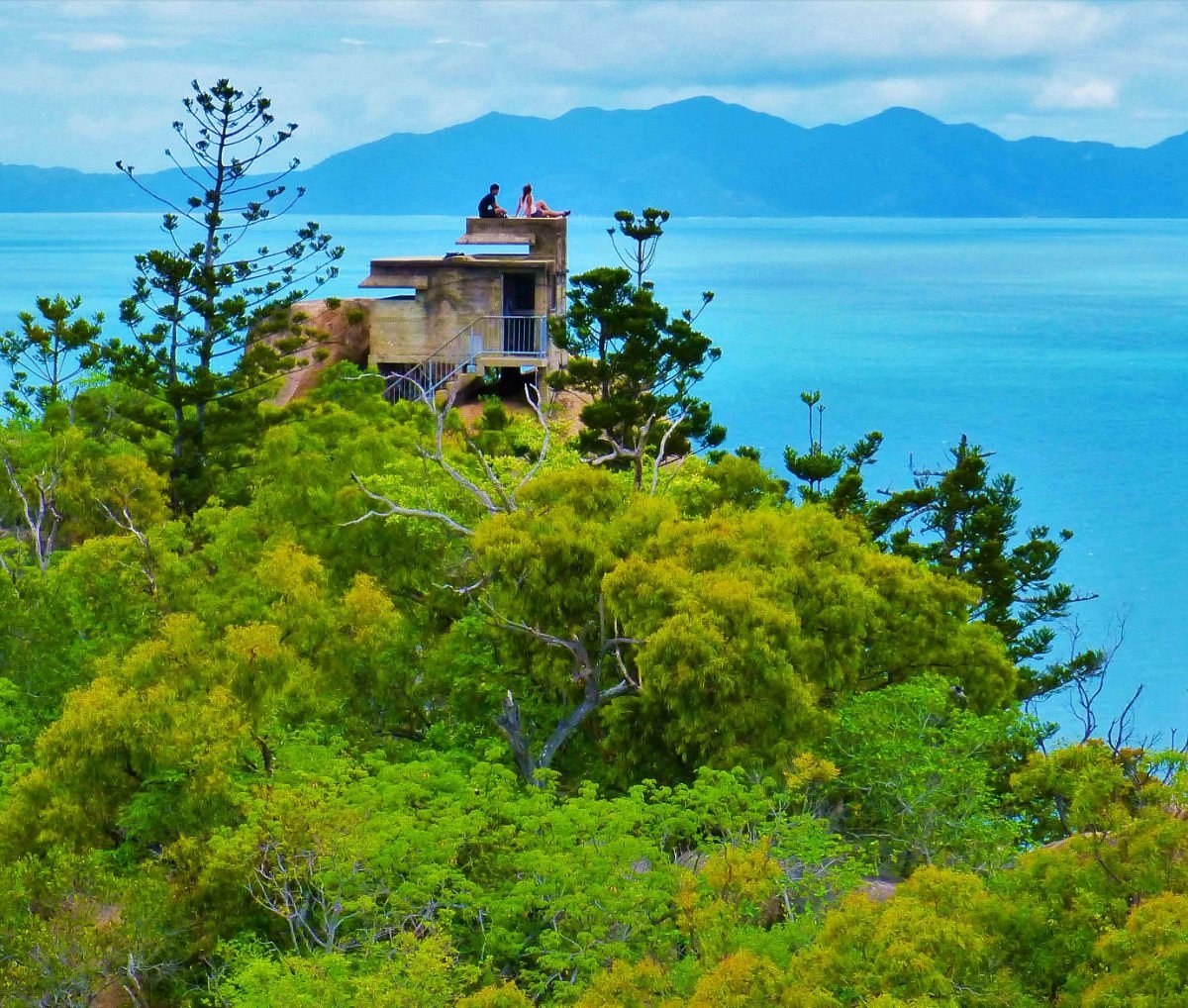
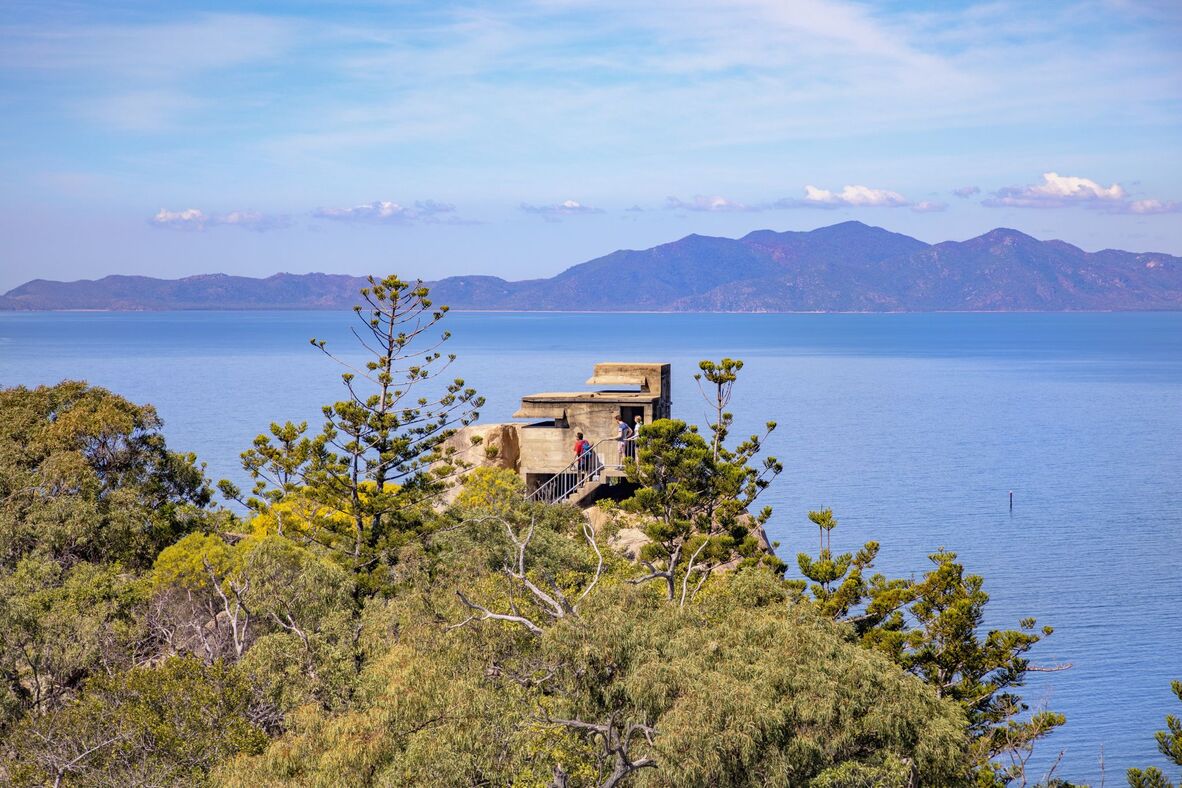
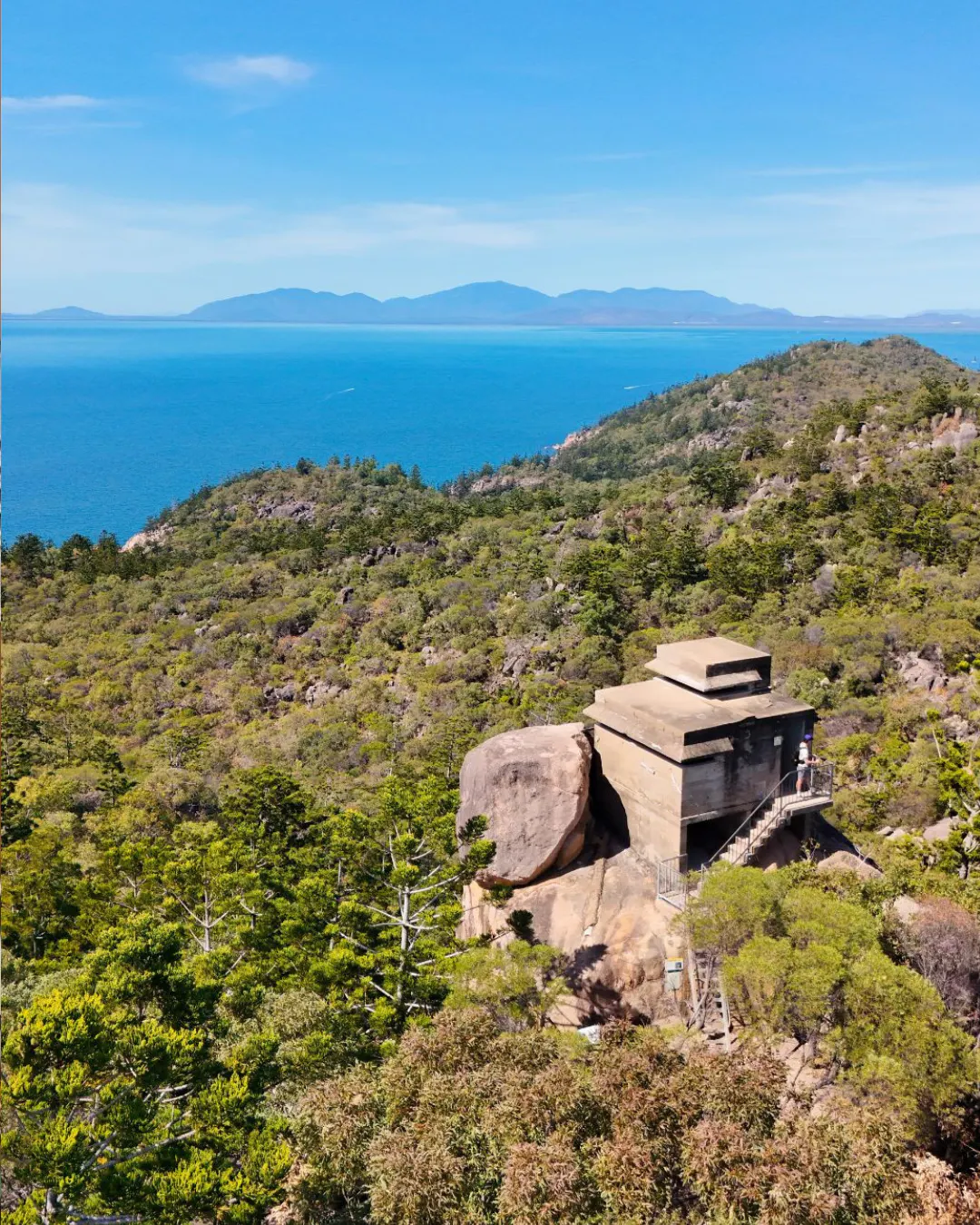
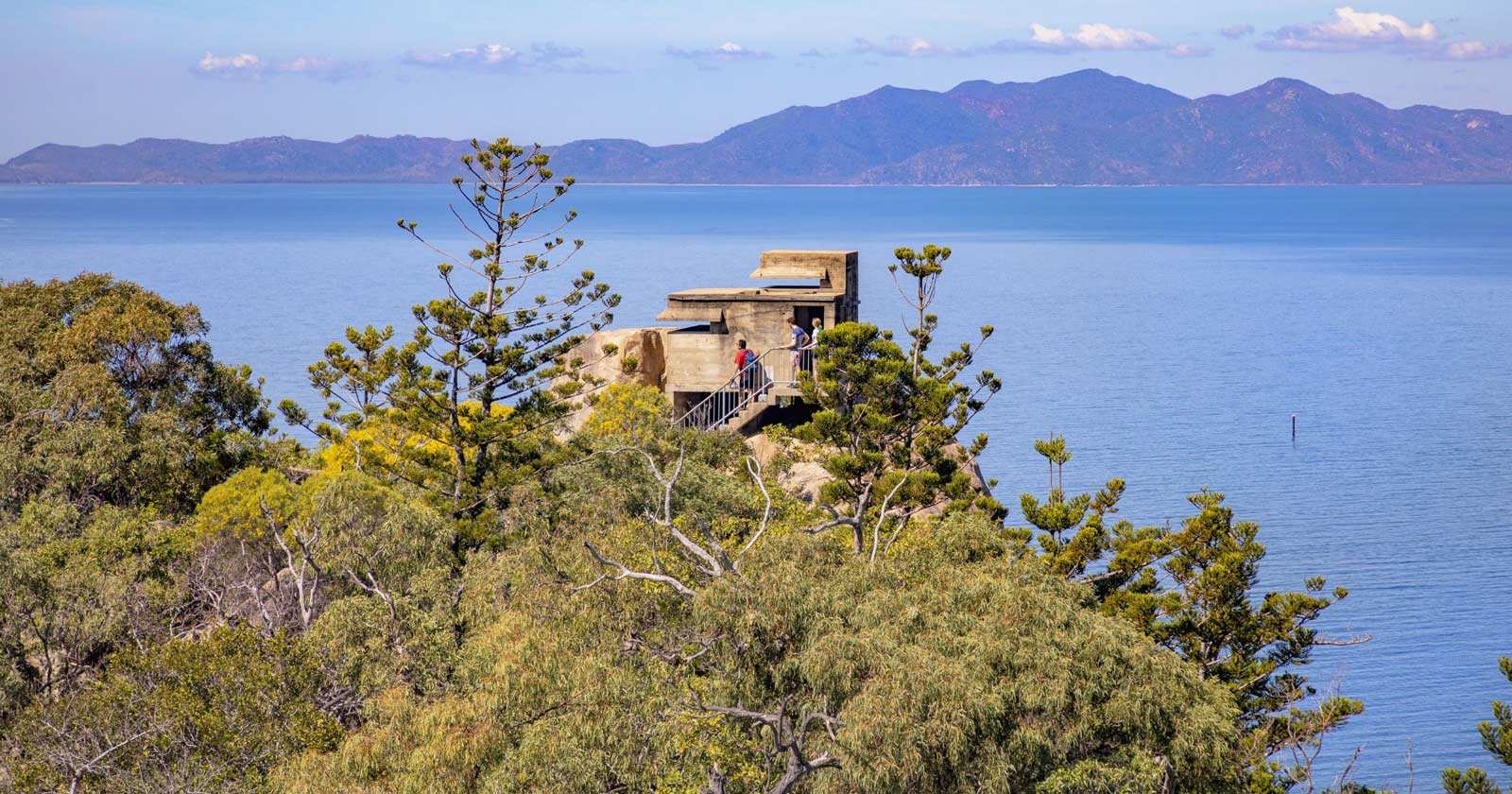
The WWII gun emplacement platform gives a panoramic angle over Balding Bay and the Coral Sea, with weathered concrete bunkers in the foreground against granite boulders. Reaching it requires the full uphill walk from the Radical Bay car park.
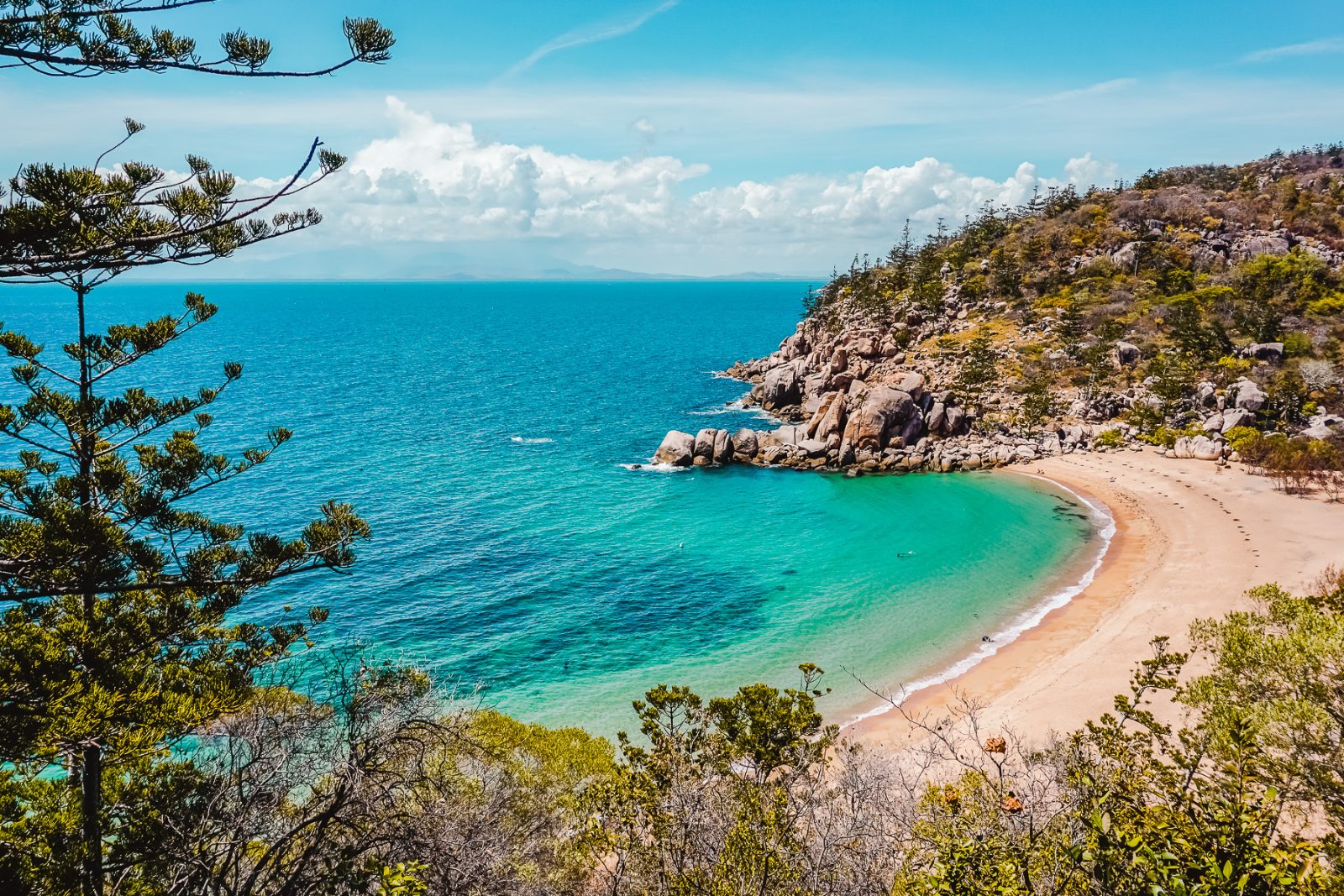
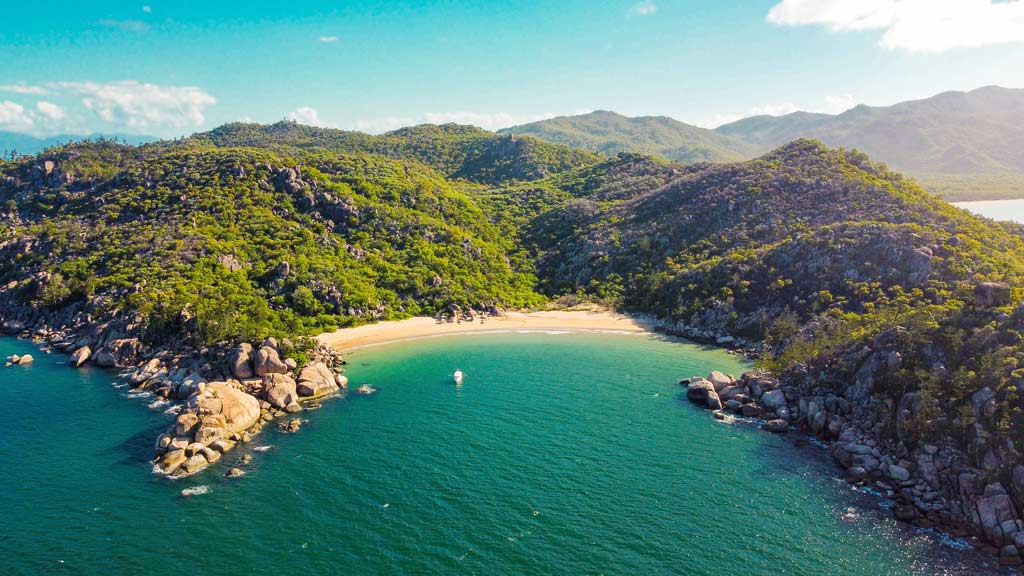
Framed through eucalypts on the track down from Forts Walk, this angle shows an isolated sandy cove backed by boulders with almost no development visible. Stand on the ridge just before the descent for the cleanest sightline.
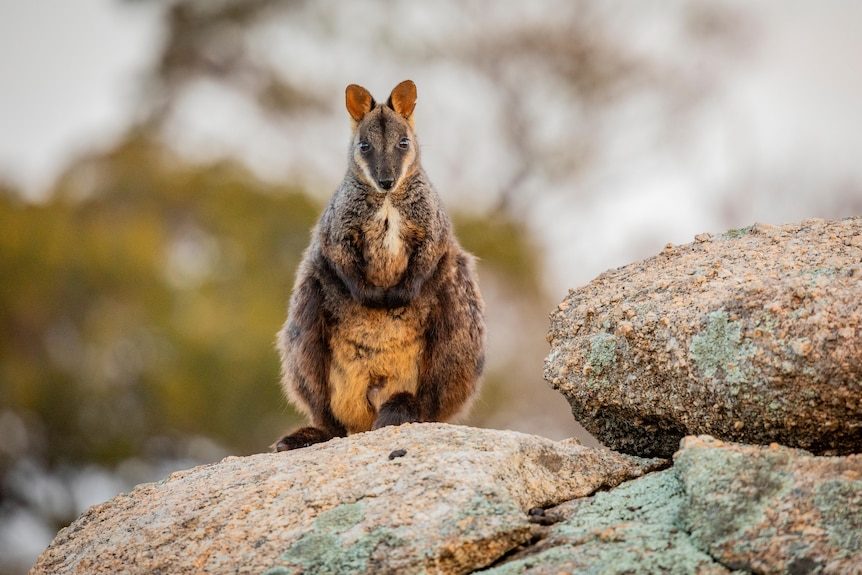
A granite outcrop partway up the trail where wallabies often rest in the shade, giving a close foreground subject against a blurred bushland backdrop. Approach quietly and shoot from the track edge without stepping onto the rocks.
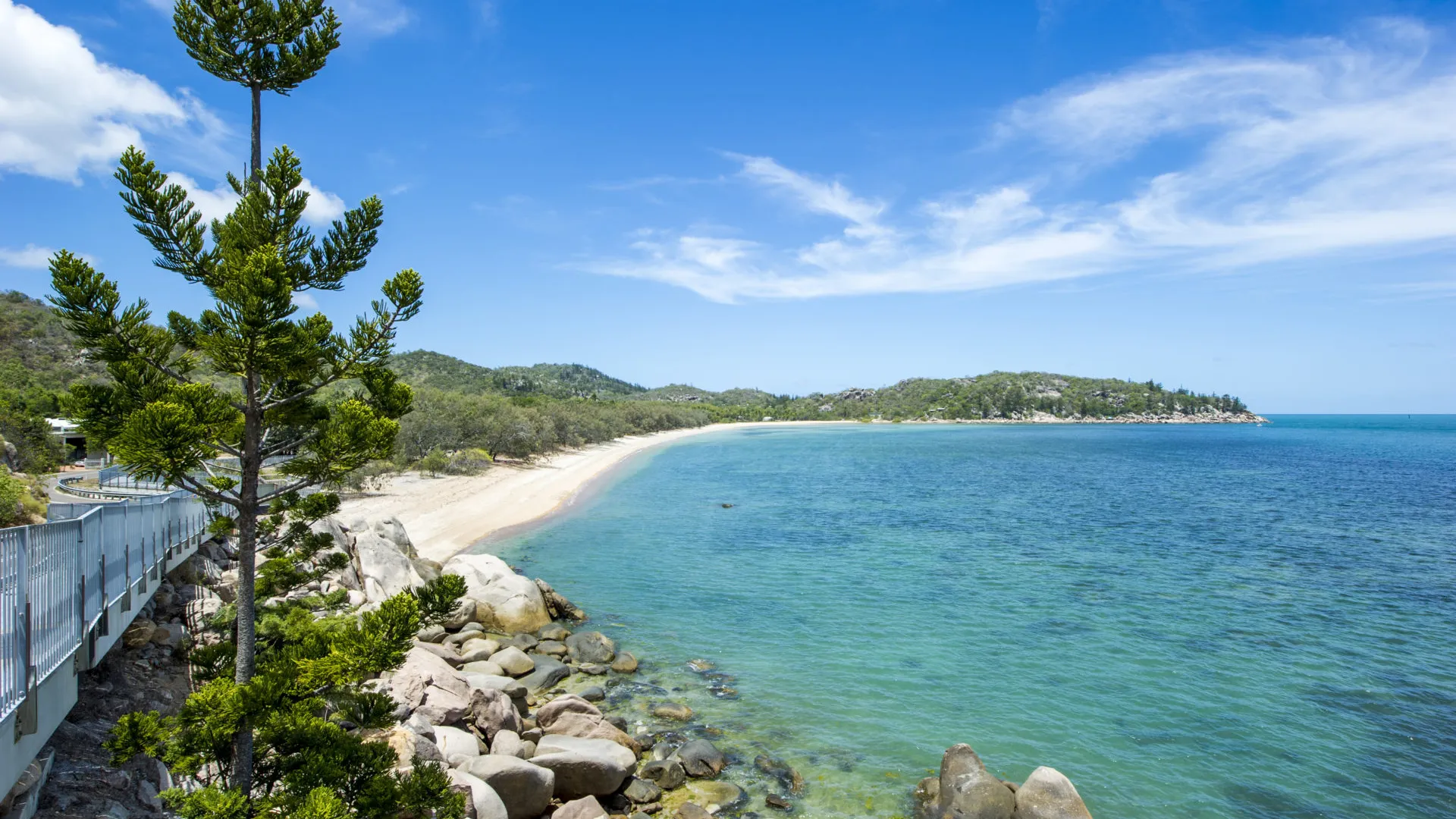
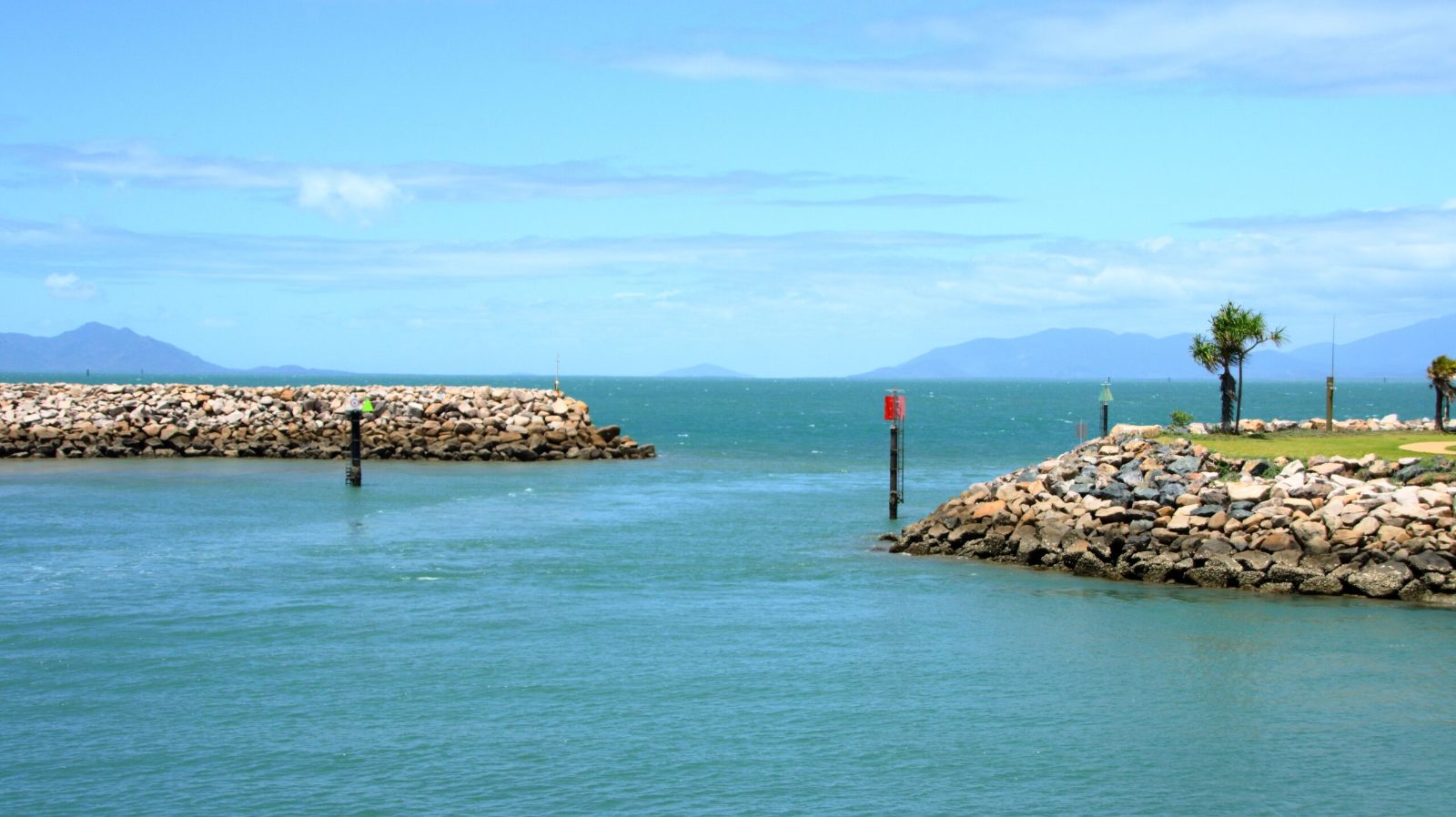
The rock breakwater at the ferry terminal offers a clean line toward moored yachts and the Nelly Bay hillside, good for reflections at still water. Walk to the end of the public breakwater path for the widest view.
A quiet rocky cove seen from the roadside pull-off, with bommie rock formations breaking the surface and Bowen mango trees lining the slope behind. This spot suits a slower stop between Horseshoe Bay and Radical Bay.
A magnetic island tour works well with kids because the island runs on a hop-on hop-off bus loop that links swimming bays to wildlife spots without much walking required in between. Families can build a relaxed day around koala watching at Bungalow Bay and calm swims at Horseshoe Bay or Picnic Bay rather than a single crowded landmark.
The bus loop handles luggage and prams but footpaths at Forts Walk and rockier bay tracks are not stroller friendly, so bring a lightweight umbrella stroller and expect to carry it over sandy or uneven patches.
Toddlers and primary-school kids do well on the flat bay circuits like Picnic Bay and Horseshoe Bay, while the Forts Walk climb suits kids aged 8 and up who can manage 45 minutes of uphill walking.
Public toilets and baby-change tables are available at Picnic Bay, Horseshoe Bay and the Nelly Bay terminal, but options thin out at smaller stops like Radical Bay so plan bathroom breaks around the main townships.
Split the day between one wildlife activity in the cooler morning hours and swimming after lunch, since young kids tire quickly on the open-air bus and need a shaded midday break.
Bungalow Bay Koala Village and the small island museums give shelter for a wet morning, and many families shift a self-guided magnetic island tour tour toward these indoor stops before heading back out once showers pass.
There is no entrance fee for the island or national park areas, so the main cost families budget for is the ferry and bus loop passes rather than magnetic island tour tickets for a single paid attraction.
Dining options across the island are concentrated near the ferry terminal and main beach fronts, making it convenient to grab a meal while on your magnetic island tour. Whether you need a quick caffeine fix or a relaxed sit-down lunch, you will find accessible eateries along the bus loop.
This spot offers quick breakfast options and excellent coffee for those starting early. It is a local favorite for a fast bite before securing your magnetic island tour tickets.
Located in Horseshoe Bay, this venue provides a relaxing atmosphere with creative dishes. It is a perfect stop for those booking magnetic island tour tours that conclude in the afternoon.
Known for hearty meals and casual service, this eatery is popular with visitors exploring the coastline. It serves as a reliable refuelling point during any magnetic island tour tour.
Ideal for a refreshing drink or light snack while walking between island landmarks. This small kiosk is popular for its local fruit smoothies and healthy bowls.
Everything you need to know for your journey
Yes, a magnetic island tour is family-friendly with many trails suitable for children.
Yes, carrying your own water and snacks is encouraged during a magnetic island tour.
The best time for a magnetic island tour is early morning to see wildlife and avoid heat.
Accessibility varies; many nature trails on a magnetic island tour involve steep or uneven terrain.
Join thousands of happy travelers who have discovered this incredible experience
Book Your Experience Now